


Okay, so check this out—I’ve been carrying a tiny hardware wallet that’s basically a credit card.
Whoa!
Seriously?
My first impression was that it felt gimmicky, but then I actually used it for everyday cold storage and my instinct said it made a lot of sense.
I’ll be honest — something felt off about other solutions that promised simplicity.
Here’s the thing.
A crypto card, or NFC card wallet, stores private keys in a secure element and lets you sign transactions by tapping it to your phone.
It keeps keys offline but still gives a phone-first experience.
That mix of cold security with everyday usability is why many people — me included — stop using clunky dongles and move to cards.
Hmm…
Initially I thought the thinness would compromise security, but after inspecting the secure element and testing the signing flow I realized the hardware can be very robust.
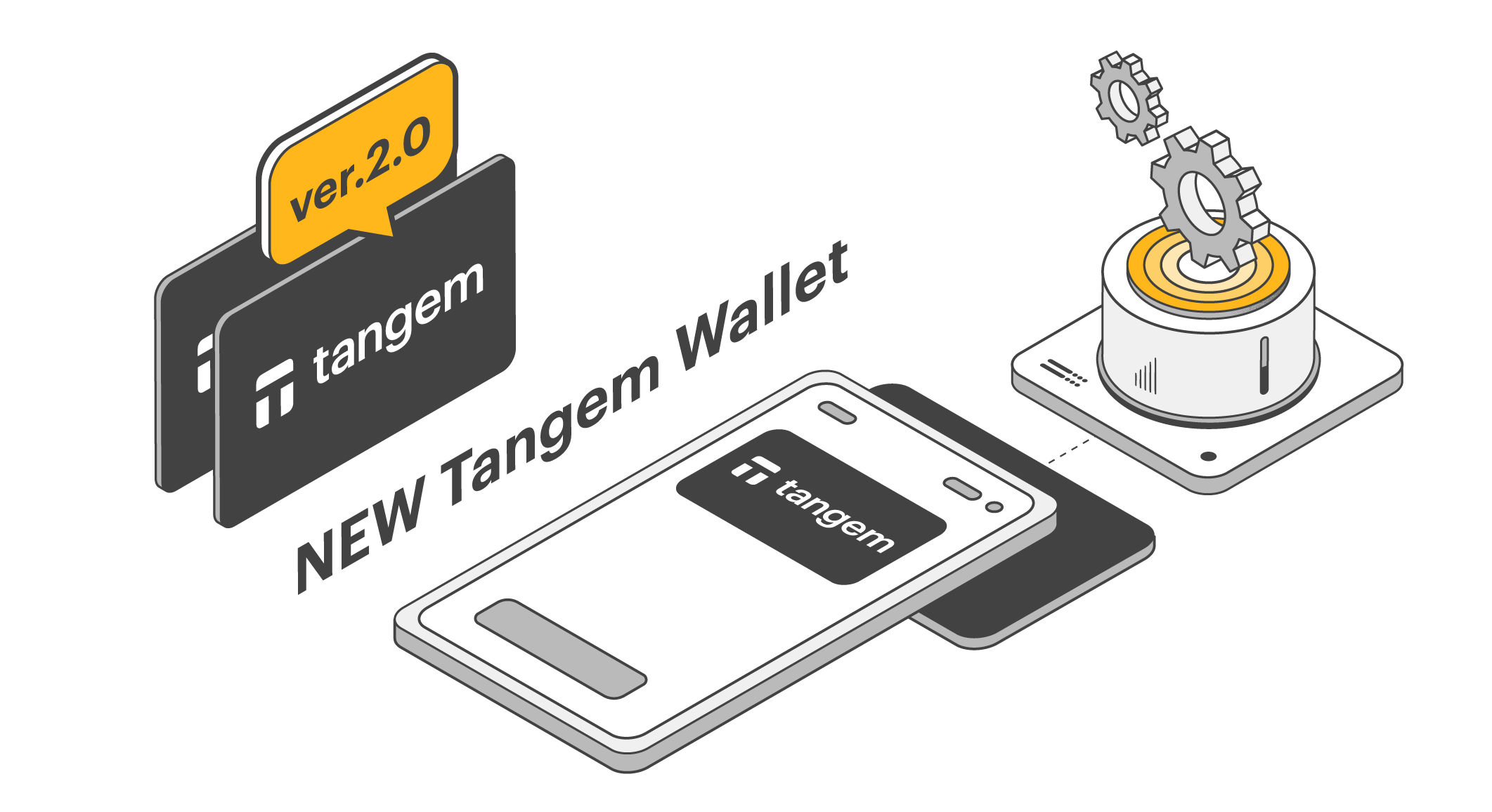
I tested a number of brands, and one that stuck was tangem.
Their cards feel like minimal engineering miracles.
On the one hand they nail the tap-to-sign UX, though actually some features require demanding attention to firmware updates and backup workflows.
Something was very very important to me: recovery.
Whoa!
My instinct said ‘keep it simple’ so I liked that tangem stores keys on a tamper-resistant chip and doesn’t rely on cloud backups.
Setting it up is mostly tap, name, and back up the card’s public data.
Seriously?
Actually, wait—let me rephrase that: you still need to design a recovery plan, because if a card is lost and you only have one physical card you are toast.
On one hand the single-card elegance is liberating; on the other hand it forces discipline.
I tried a two-card backup approach that felt better for family inheritance.
There are trade-offs that deserve attention.
The secure element prevents key extraction in normal circumstances, though physical attacks are a different class entirely and require lab-level effort to attempt.
I’m biased, but hardware wallets that keep secrets in silicon rather than exporting seeds to paper or text files make me sleep better.
Here’s what bugs me about some card implementations: they give designers too much rope when it comes to backup UX, and I’ve seen people snap their recovery process in half without realizing it.
So test your restore before you need it.
If you care about everyday usability, keep one card in your wallet and a second sealed in a safe deposit box, or give a copy to someone you trust.
Oh, and by the way, test the NFC on your phone model — older phones can be flaky.
My rule: assume device failure, not user forgetfulness.
How I actually used it
I started by setting aside an afternoon to set up two cards and practice a full restore on a spare phone.
Seriously, the first time I did a restore I was nervous.
Initially I thought I’d breeze through it, but then a weird NFC timeout forced me to retrace steps and update firmware.
Actually, wait—let me rephrase: the device didn’t fail, my process did.
On the second attempt everything worked cleanly and I breathed easier.
I’m not 100% sure about every phone model, so test your own.
That practice saved me from a real oops moment.
One lingering worry is custody for heirs.
If you plan family inheritance, write clear instructions and consider multi-signature setups with hardware cards as signers.
On one hand that adds complexity; on the other hand it increases survivability.
I’m biased toward cards for daily carry, but for large institutional custody multi-sig and dedicated HSMs still make sense.
Somethin’ about holding a metal card in my wallet makes crypto feel more tangible.
Okay, so what’s the bottom line for someone who wants offline keys without the headaches?
Try a card.
Start with one for testing and a backup locked away, and run a restore drill before you stake anything important.
I’ll be honest — this approach isn’t perfect, but it blends convenience with strong hardware security in a way that finally made me actually use cold storage.
Hmm…
If you want a practical recommendation, consider exploring tangem and read their docs, then buy a second card for backups.
My final thought: stop thinking of cold storage as an impossible relic and treat it like a habit you build.
There’s comfort in a small secure object that fits your wallet.
This has changed my behavior for the better.
FAQ
How secure are crypto cards?
Crypto cards use secure elements that resist normal extraction attempts.
However, determined attackers with lab equipment can sometimes succeed, so treat cards as secure but not invulnerable.
Practical security comes from multiple precautions — backups, firmware vigilance, and careful custody.
Can I use a card with my existing wallets?
Yes, many wallets support NFC signing via standard protocols, though compatibility can vary.
Test before migrating large balances.
